|
Tuesday, August 31,
2010
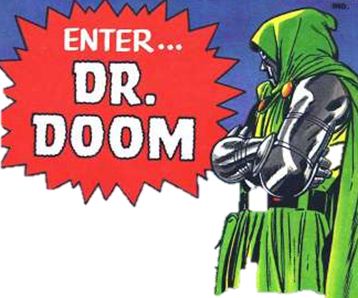
How Many Times Has Michael "Dr. Doom" Copps Forecast an Internet Apocalypse?
 How many times can FCC Commissioner Michael Copps declare the Internet dead? Like a fire-and-brimstone preacher bombastically bellowing sermons warning of the impending End Times, Commissioner Copps has made a hobby out of declaring the Internet dead and buried unless drastic steps are taken right now to save cyberspace! The problem is, he's being saying this for the past decade and yet, despite generally laissez-faire policy in this arena, the Internet is still very much alive and well. How many times can FCC Commissioner Michael Copps declare the Internet dead? Like a fire-and-brimstone preacher bombastically bellowing sermons warning of the impending End Times, Commissioner Copps has made a hobby out of declaring the Internet dead and buried unless drastic steps are taken right now to save cyberspace! The problem is, he's being saying this for the past decade and yet, despite generally laissez-faire policy in this arena, the Internet is still very much alive and well.
His biggest beef, of course, is Net Neutrality regulation--or the current lack thereof. He fears that without such a "Mother, May I" regulatory regime in place, the whole cyber-world is heading for eternal damnation. Echoing the fears of other Internet hyper-pessimists, Copps concocts grand conspiracy stories of nefarious corporate schemers hell-bent on quashing our digital liberties and foreclosing all Internet freedom.
Way back in 2003, for example, Comm. Copps delivered a doozy of a sermon at the New America Foundation entitled, "The Beginning of the End of the Internet." In the speech, Copps lamented that the "Internet may be dying" and only immediate action by regulators can save the day. Copps laid on the sky-is-falling rhetoric fairly thick: "I think we are teetering on a precipice . . . we could be on the cusp of inflicting terrible damage on the Internet. If we embrace closed networks, if we turn a blind eye to discrimination, if we abandon the end-to-end principle and decide to empower only a few, we will have inflicted upon one of history's most dynamic and potentially liberating technologies shackles that make a mockery of all the good things that might have been."
But that's hardly the only such fire-and-brimstone sermon that Rev. Comm. Copps has delivered about the death of the Internet. Continue reading How Many Times Has Michael "Dr. Doom" Copps Forecast an Internet Apocalypse? . . .
posted by Adam Thierer @ 1:33 PM |
Net Neutrality, The FCC
Link to this Entry | Printer-Friendly | Email a Comment |Post a Comment (2)
Google / Verizon Proposal May Be Important Compromise, But Regulatory Trajectory Concerns Many
Recently, the Washington Post opined that the best way for the FCC to "regulate the Internet" was through a moderate approach, one which places limited authority in the Commission to address behavior that violates long-standing Net Neutrality practices.
The paper notes that Net Neutrality has been "a rule tacitly understood by Internet users and providers alike" for more than a decade. It then mildly rebukes the FCC's proposal to reclassify broadband providers as common carriers - "a move [which] would be a serious step backwards," in their view.
Within this context, the Post sees important compromise in the Google / Verizon legislative proposal, "especially its designation of the FCC as an adjudicatory body such as the Federal Trade Commission rather than one with intrusive regulatory authority." Continue reading Google / Verizon Proposal May Be Important Compromise, But Regulatory Trajectory Concerns Many . . .
posted by Mike Wendy @ 9:04 AM |
Capitol Hill, Communications, Innovation, Internet, Net Neutrality, Regulation, The FCC
Link to this Entry | Printer-Friendly | Email a Comment |Post a Comment (28)
Tuesday, August 24,
2010
The Broadband Investment Leviathan
The August 5th issue of The Economist had a compelling cover story entitled "Leviathan, Inc." in which the author notes "[p]oliticians are reviving the notion that intervening in individual industries and companies can drive growth and create jobs." But direct, long-term government management of companies, corporations or, worst yet, entire industries has proven time and again not to be successful.
Simply put, the head of a company makes decisions to maximize the outcome for that company and its owners or shareholders. Any government employee—even one in a role as acting head of a private company—is legally required to make decisions under a far stricter set of guidelines. Guidelines which force the decisions to be made for what is best not for the business they are charged with operating, but for the country as a whole. This is the case even if the decision made by the bureaucrat will result in a 'net negative' to the company and its owners/shareholders.
The article's anonymous author suggests that instead of "pick[ing] winners and coddl[ing] losers," government should improve the environment for all business by reducing regulations, investing in infrastructure, and "encourage winners to emerge by themselves, for example through the sort of incentive prizes that are growing increasingly popular."
Continue reading The Broadband Investment Leviathan . . .
posted by Adam Marcus @ 2:03 PM |
Broadband, Communications, Economics, Philosophy / Cyber-Libertarianism, The FCC
Link to this Entry | Printer-Friendly | Email a Comment |Post a Comment (0)
Thursday, August 5,
2010
Pub Interest Groups Decry Sunlight - Say It's Corrupting FCC Net Neutrality Process
techdirt's hit kind of a new low in the divisive Net Neutrality debate. Mike Masnick writes that the telcos have got their Net Neutrality deal with the FCC because, well, they have some mighty deep pockets, and they're prepared to use them - either for-or-agin the Dems - come election season. Consequently, FCC Chairman Julius Genachowski had no choice but to back down from his Net Neutrality / Reclassification madness and give the big boys what they want.
C'mon, Mike! You make the National Enquirer blush.
The "reporting" follows the well worn meme espoused by the Left that when the going gets tough, and the deal looks like it ain't cutting their way - then blame the "monopolists" for corrupting the process. Good lord, get a new riff already.
Free Press, Public Knowledge, MAP and OIC lobbyists (among other "reformistas") have practically installed themselves at the FCC since day one (I think I saw their cots, bedrolls and toiletries there the other day). To claim that they've been left-out strains credulity (as this FCC blog reveals).
Let's see. They've gotten their lobbying dollar's worth out of the Open Internet / Net Neutrality NPRM; the National Broadband Plan; the Wireless Competition Report; the Third Way Statement; the Third Way NOI; the 706 Report; and have supped at the FCC table throughout the "closed-door" Net Neutrality meetings.
Compromise will happen. It should. This is a highly charged debate that has divided many. The FCC hasn't helped any by trying to avoid the will of Congress, end-running around key court decisions, and attempting to jam an innovation-killing rule down the throats of American broadband consumers.
Though I think the Commission is wrong to try to regulate the Internet through broadband Reclassification, I also recognize that some discussion - possibly one that reaches compromise - should occur.
What I do not think is helpful is the idea, seemingly shared by the public interest groups, that "it's our way or no way; and if you get in the way of that - then you're a corrupt SOB."
Mike, remember the elementary school admonition - "sticks and stones..."? I'll bet the network providers do, and it's helped them keep their eye on the ball to ensure that a reasoned ruling comes out of the FCC.
The opposite would be corrupt - a closed process decided by a small handful of elite, "consumer advocates," impervious to reason, debate or the sunlight of opposing viewpoints. Until this summer, it looked like it was going in this direction. Now, thankfully, the process appears to be more inclusive - one which may result in a more fair outcome for all involved. posted by Mike Wendy @ 8:12 AM |
Broadband, Capitol Hill, Communications, Free Speech, Innovation, Internet, Net Neutrality, Regulation, The FCC
Link to this Entry | Printer-Friendly | Email a Comment |Post a Comment (1)
Thursday, July 22,
2010
FCC & Free Press - Send Lawyers, Guns and Money to Regulate the Internet
Praise the Lord and pass the ammunition.
So goes the FCC's stacked "706 Report" on broadband this week, which said that Americans aren't getting broadband in a "reasonable and timely basis," the first negative conclusion since the report's inception.
Using the standard developed in the National Broadband Plan (NBP) - which recommends "that every household in America have access to affordable broadband service offering actual download (i.e., to the customer) speeds of at least 4 Mbps and actual upload (i.e., from the customer) speeds of at least 1 Mbps" - the Commission determined that by this benchmark "broadband remains unavailable to approximately 14 to 24 million Americans." (Not that 14 - 24 million Americans don't have high-speed access, as has erroneously been reported.)
The FCC is building its war chest so that it can justify Lilliputian Internet regulation of network providers. Through a number of recent proceedings, statements and reports - e.g., the Open Internet NPRM, Cellular Competition Report, and "Third Way" NOI - the 706 Report traffics in the same meme: network providers just aren't doing their job, so they must be coerced or shamed into proper "compliance."
Not uncharacteristically, The Free Press heralded the new, rather dour (and now redundant) broadband assessment. Said the lugubrious, special interest lobbyists - "Now that the FCC has taken the first step of acknowledging America's broadband problem, we hope that it will advance policies to reverse this decline though the promotion of real competition and true consumer choice." Continue reading FCC & Free Press - Send Lawyers, Guns and Money to Regulate the Internet . . .
posted by Mike Wendy @ 10:20 AM |
Broadband, Capitalism, Capitol Hill, Communications, Innovation, Internet, Net Neutrality, Regulation, Software, The FCC, Universal Service, Wireless, Wireline
Link to this Entry | Printer-Friendly | Email a Comment |Post a Comment (3)
Friday, July 9,
2010
Keep the Internet Corporate-Free Says Anti-Business Free Press
I just have to chuckle at this sophomore opinion piece recently penned by the Free Press. Its main memes: Corporations are evil. Do not trust corporations, because they are evil. And, oh by the way, corporations want to control you and the FCC, because...they are evil.
Good golly, we get it. Continue reading Keep the Internet Corporate-Free Says Anti-Business Free Press . . .
posted by Mike Wendy @ 8:52 AM |
Broadband, Capitalism, Communications, Innovation, Internet, Net Neutrality, Regulation, The FCC
Link to this Entry | Printer-Friendly | Email a Comment |Post a Comment (9)
Tuesday, July 6,
2010
Camel Puts Nose under Tent with FCC "Wireless Model" for Internet Regulation
Julius Genachowski claims his "Third Way" approach to taking over the Internet looks a lot like the benign "wireless model" of regulation.
If it were true, that would be a good thing.
According to Genachowski:
In its approach to wireless communications, Congress mandated that the FCC subject wireless communications to the same Title II provisions generally applicable to telecommunications services while also directing that the FCC consider forbearing from the application of many of these provisions to the wireless marketplace. The Commission did significantly forbear, and the telecommunications industry has repeatedly and resoundingly lauded this approach as well-suited to an emerging technology and welcoming to investment and innovation. In short, the proposed approach is already tried and true. Presumably, the "wireless model," if applied to the Internet, would spur growth and innovation. But I have a question. In the FCC's NOI, how does the wireless model of "light regulation" apply to, er, the wireless model?
I haven't quite figured out the circularity of that one yet.
Oh, well. Maybe I shouldn't waste my time trying. It seems more apparent than ever that for wireless and wireline broadband service it's not really about regulating "downward" - i.e., deregulating, as is the hallmark of the "wireless model" - but instead, regulating "upward," thus adding regulation. Continue reading Camel Puts Nose under Tent with FCC "Wireless Model" for Internet Regulation . . .
posted by Mike Wendy @ 3:08 PM |
Broadband, Capitol Hill, Communications, Innovation, Internet, Net Neutrality, Regulation, Spectrum, The FCC, Wireless, Wireline
Link to this Entry | Printer-Friendly | Email a Comment |Post a Comment (2)
Thursday, June 24,
2010
The FCC Gets Real Schlick
Said FCC Chairman Julius Genachowski on May 6th, "The [Comcast] opinion therefore creates a serious problem that must be solved so that the Commission can implement important, commonsense broadband policies..."
I'll say. It's a problem, alright. Yet the chutzpah of the ensuing NOI process - in particular, the FCC asking whether its Net Neutrality workaround to reclassify the transmission element of broadband as a Title II service is worth doing / can be done - doesn't make it any better. Continue reading The FCC Gets Real Schlick . . .
posted by Mike Wendy @ 3:03 PM |
Antitrust & Competition Policy, Broadband, Capitol Hill, Communications, Internet, Net Neutrality, PFF, The FCC
Link to this Entry | Printer-Friendly | Email a Comment |Post a Comment (3)
Thursday, June 17,
2010
FCC Seeks to Regulate the Internet...Because It Can
As I touched on last night, I can't say as I was surprised by today's announcement by the FCC to move toward full-blown Internet regulation. Voting along party lines, the three Democratic FCC Commissioners expressed their wholehearted belief that their regulation of the Internet - not de facto marketplace regulation - was the only way to protect consumers and Americans.
The Comcast v. FCC decision should have rebooted the Commission's discredited Net Neutrality ambitions. Yet instead, the FCC appears moving closer toward questionable new rules, using specious authority to get there. Such an exercise in regulatory hubris is truly confounding, especially in light of the facts and a clear consensus that the Internet must remain free from stultifying regulation.
Make no bones about it, the FCC's NOI today will work to regulate the Internet, and poorly at that. It takes a yellowed, dog-eared page from a 19th Century industrial policy playbook, and seeks to graft that on to the rapidly evolving Internet. Ultimately, it will prove offensive to American consumers, as well as those innovating at the core and edge of America's broadband networks. Continue reading FCC Seeks to Regulate the Internet...Because It Can . . .
posted by Mike Wendy @ 4:54 PM |
Broadband, Communications, DACA, Innovation, Internet, Net Neutrality, PFF, The FCC
Link to this Entry | Printer-Friendly | Email a Comment |Post a Comment (0)
FCC "Third Way" Plan = Beginning of Big Government Broadband Era
Today, the Federal Communications Commission (FCC) voted along party lines to adopt a Notice of Inquiry opening a new proceeding to regulate the Internet by reclassifying it under Title II of the Communications Act. FCC Chairman Julius Genachowski calls this his "Third Way" plan. In a PFF press release, I issued the following response:
In its ongoing 'by-any-means-necessary' quest to regulate the Internet via Net Neutrality mandates, Chairman Genachowski's FCC continues to flaunt the rule of law and magically invent its own authority as it goes along. If this Chairman wants to bring the Net under his thumb and regulate broadband networks like plain-vanilla public utilities, he should ask Congress for the authority to pursue such imperial ambitions. As the law stands today, the FCC has no such authority. Indeed, the unambiguously deregulatory thrust of the Telecom Act of 1996 stands in stark contrast to Chairman Genachowski's outdated vision for Big Government Broadband.
The FCC stands on the cusp of killing one of the great deregulatory success stories of modern economic history by reviving the discredited regulatory industrial policies of the 19th Century. The revisionism about that epoch is dead wrong: Price controls and protected markets limited choice and stifled innovation. With the agency rolling back the regulatory clock in this fashion, today marks the beginning of the Internet's "Lost Decade" of stymied investment, innovation, and job creation as all sides wage battle over the legality of reclassification and its implementation. posted by Adam Thierer @ 12:34 PM |
Net Neutrality, The FCC
Link to this Entry | Printer-Friendly | Email a Comment |Post a Comment (1)
Wednesday, June 16,
2010
No Such Thing As Regulatory Predictability When It's Built on an Illusion of Authority
posted by Mike Wendy @ 9:48 PM |
Broadband, Capitol Hill, Communications, DACA, Innovation, Internet, Net Neutrality, PFF, Regulation, The FCC, Wireline
Link to this Entry | Printer-Friendly | Email a Comment |Post a Comment (0)
event transcript: "What Should the Next Communications Act Look Like?"
posted by Adam Thierer @ 6:44 PM |
Antitrust & Competition Policy, Communications, DACA, The FCC
Link to this Entry | Printer-Friendly | Email a Comment |Post a Comment (0)
Saturday, June 5,
2010
AT&T's New Wireless Pricing Plan - Does It Help in the Net Neutrality Debate?
posted by Mike Wendy @ 12:57 AM |
Broadband, Capitalism, Capitol Hill, Communications, Innovation, Internet, Net Neutrality, Regulation, The FCC, Wireline
Link to this Entry | Printer-Friendly | Email a Comment |Post a Comment (5)
Friday, June 4,
2010
Chill Speech, Serve Cold
posted by Mike Wendy @ 10:19 AM |
Communications, Free Speech, Mass Media, Media Regulation, State Policy, The FCC
Link to this Entry | Printer-Friendly | Email a Comment |Post a Comment (1)
Saturday, May 29,
2010
Mr. Scott Goes to the State Department
posted by Mike Wendy @ 3:09 PM |
Broadband, Capitalism, Capitol Hill, Copyright, IP, Innovation, Internet, Net Neutrality, Open Source, Regulation, The FCC
Link to this Entry | Printer-Friendly | Email a Comment |Post a Comment (0)
Wednesday, May 26,
2010
Abolishing the FCC and Other Fun Thoughts
posted by Mike Wendy @ 2:11 PM |
Antitrust & Competition Policy, Broadband, Cable, Communications, DACA, Innovation, Internet, Local Franchising, Mass Media, Media Regulation, Net Neutrality, PFF, Regulation, Spectrum, State Policy, The FCC, The FTC, Universal Service, Wireless
Link to this Entry | Printer-Friendly | Email a Comment |Post a Comment (7)
Monday, May 24,
2010
Thoughts on Democratic Proposal to Update Communications Act
posted by Adam Thierer @ 7:34 PM |
Communications, DACA, PFF, The FCC
Link to this Entry | Printer-Friendly | Email a Comment |Post a Comment (0)
Thursday, May 20,
2010
FCC Wireless Report Punts - Effective Competition Actually Prevails
posted by Mike Wendy @ 10:25 PM |
Antitrust & Competition Policy, Broadband, Communications, Innovation, Internet, Net Neutrality, Spectrum, The FCC, Wireless
Link to this Entry | Printer-Friendly | Email a Comment |Post a Comment (1)
Wednesday, May 19,
2010
The Constructive Alternative to Net Neutrality Regulation & Title II Reclassification
posted by Adam Thierer @ 8:02 PM |
Broadband, DACA, Net Neutrality, The FCC
Link to this Entry | Printer-Friendly | Email a Comment |Post a Comment (2)
FCC Wireless Report Should Conclude Market Competitive, But Will It?
posted by Mike Wendy @ 3:58 PM |
Broadband, Communications, Innovation, Net Neutrality, The FCC, Wireless, Wireline
Link to this Entry | Printer-Friendly | Email a Comment |Post a Comment (0)
Tuesday, May 18,
2010
First Amendment Meddling Is Against the Public Interest
posted by Mike Wendy @ 9:38 AM |
Capitol Hill, Free Speech, Mass Media, Media Regulation, Privacy, Regulation, The FCC, The FTC
Link to this Entry | Printer-Friendly | Email a Comment |Post a Comment (2)
Monday, May 10,
2010
event video: "What Should the Next Communications Act Look Like?"
posted by Adam Thierer @ 9:49 PM |
Broadband, Communications, Net Neutrality, The FCC
Link to this Entry | Printer-Friendly | Email a Comment |Post a Comment (0)
Will Brand X Really Save the FCC's "Third Way" Plan?
posted by Barbara Esbin @ 5:35 PM |
The FCC
Link to this Entry | Printer-Friendly | Email a Comment |Post a Comment (1)
Friday, May 7,
2010
The Comcast Decision, the FCC's Third Way and the Next Communications Act
posted by Barbara Esbin @ 4:04 PM |
Broadband, The FCC
Link to this Entry | Printer-Friendly | Email a Comment |Post a Comment (1)
Thursday, May 6,
2010
NPR Interview on FCC's Third Way
posted by Mike Wendy @ 3:31 PM |
Antitrust & Competition Policy, Broadband, Capitol Hill, Communications, Cyber-Security, DACA, Internet, Net Neutrality, Neutrality, Privacy, Security, The FCC
Link to this Entry | Printer-Friendly | Email a Comment |Post a Comment (0)
The Problem with Title II Reclassification of the Internet in a Picture
posted by Adam Thierer @ 10:24 AM |
Broadband, Net Neutrality, The FCC
Link to this Entry | Printer-Friendly | Email a Comment |Post a Comment (1)
Tuesday, May 4,
2010
FCC: Toothless Regulator or Cop on the Beat?
posted by Barbara Esbin @ 4:28 PM |
Broadband, Net Neutrality, Neutrality, Regulation, The FCC
Link to this Entry | Printer-Friendly | Email a Comment |Post a Comment (0)
Tuesday, April 27,
2010
event: May 7th - What Should the Next Communications Act Look Like?
posted by Adam Thierer @ 8:00 PM |
Communications, DACA, Events, The FCC
Link to this Entry | Printer-Friendly | Email a Comment |Post a Comment (1)
Monday, April 26,
2010
PFF LTE in NY Times - Let's Not Regulate the Internet
posted by Mike Wendy @ 1:00 PM |
Broadband, Cable, Capitol Hill, Communications, Internet, Net Neutrality, PFF, Regulation, The FCC, Wireless, Wireline
Link to this Entry | Printer-Friendly | Email a Comment |Post a Comment (1)
Friday, April 23,
2010
K Street Misinformation Pours into Gutter - FCC Must Know Limits of Its Magic
posted by Mike Wendy @ 2:28 PM |
Antitrust & Competition Policy, Broadband, Cable, Capitol Hill, Communications, Internet, Net Neutrality, Regulation, The FCC
Link to this Entry | Printer-Friendly | Email a Comment |Post a Comment (0)
Wednesday, April 14,
2010
Reclassification of Broadband Internet Access: No Slam Dunk
posted by Barbara Esbin @ 1:52 PM |
Broadband, Cable, Communications, Net Neutrality, Neutrality, The FCC, Wireline
Link to this Entry | Printer-Friendly | Email a Comment |Post a Comment (35)
Friday, April 9,
2010
What Accounts for Sudden Public Opposition to Internet Regulation?
posted by Adam Thierer @ 6:16 PM |
Broadband, Communications, Net Neutrality, The FCC
Link to this Entry | Printer-Friendly | Email a Comment |Post a Comment (0)
Thursday, April 8,
2010
2 Radio Shows about the Comcast v. FCC Decision
posted by Adam Thierer @ 7:19 PM |
Broadband, Net Neutrality, The FCC
Link to this Entry | Printer-Friendly | Email a Comment |Post a Comment (2)
Tuesday, April 6,
2010
The Nobles Must Follow the Law
posted by Barbara Esbin @ 4:16 PM |
Broadband, Cable, Communications, Net Neutrality, Neutrality, The FCC
Link to this Entry | Printer-Friendly | Email a Comment |Post a Comment (4)
Wednesday, March 24,
2010
Verizon's Tom Tauke Calls for Congressional Overhaul of Telecom Act; New Regime
posted by Adam Thierer @ 11:58 AM |
Broadband, Communications, The FCC
Link to this Entry | Printer-Friendly | Email a Comment |Post a Comment (1)
Friday, March 19,
2010
States - Leave No Taxable Opportunity Behind
posted by Mike Wendy @ 4:24 PM |
Broadband, E-commerce, Generic Rant, Internet, State Policy, Supreme Court, Taxes, The FCC
Link to this Entry | Printer-Friendly | Email a Comment |Post a Comment (0)
Thursday, March 18,
2010
The FCC's National Broadband Jigsaw Puzzle
posted by Barbara Esbin @ 3:57 PM |
Broadband, The FCC
Link to this Entry | Printer-Friendly | Email a Comment |Post a Comment (0)
Wednesday, March 17,
2010
The Best Quote in the FCC National Broadband Report
posted by Adam Thierer @ 6:57 PM |
Broadband, The FCC
Link to this Entry | Printer-Friendly | Email a Comment |Post a Comment (0)
Monday, March 15,
2010
media notice: Tuesday's Diane Rehm Show (NPR) on National Broadband Plan
posted by Adam Thierer @ 2:39 PM |
Broadband, The FCC
Link to this Entry | Printer-Friendly | Email a Comment |Post a Comment (0)
Wednesday, March 10,
2010
What's in a Word?
posted by Barbara Esbin @ 4:50 PM |
Broadband, Communications, Net Neutrality, The FCC
Link to this Entry | Printer-Friendly | Email a Comment |Post a Comment (0)
Saturday, March 6,
2010
Can These Numbers Be Right? FCC Paperwork Nightmare = 57 Million "Burden Hours"!
posted by Adam Thierer @ 12:42 AM |
The FCC
Link to this Entry | Printer-Friendly | Email a Comment |Post a Comment (9)
Wednesday, March 3,
2010
Reflections on Richard Bennett's "Going Mobile: Technology and Policy Issues in the Mobile Internet"
posted by Barbara Esbin @ 2:19 PM |
Broadband, Communications, Net Neutrality, Regulation, The FCC
Link to this Entry | Printer-Friendly | Email a Comment |Post a Comment (0)
Public Hearings Done Right
posted by W. Kenneth Ferree @ 10:07 AM |
The FCC
Link to this Entry | Printer-Friendly | Email a Comment |Post a Comment (0)
Wednesday, February 24,
2010
Will the FCC's Nat'l Broadband Plan Be "Full Employment for Lawyers"?
posted by Adam Thierer @ 10:17 AM |
Net Neutrality, Regulation, The FCC
Link to this Entry | Printer-Friendly | Email a Comment |Post a Comment (13)
Monday, February 22,
2010
Running for the Hills: A View from Wall Street on Reclassification of Broadband Internet as Title II Service
posted by Barbara Esbin @ 8:42 PM |
Broadband, Communications, The FCC
Link to this Entry | Printer-Friendly | Email a Comment |Post a Comment (1)
Reason TV on Net Neutrality Regulation
posted by Adam Thierer @ 4:28 PM |
Net Neutrality, The FCC
Link to this Entry | Printer-Friendly | Email a Comment |Post a Comment (0)
Thursday, February 11,
2010
Welcome to the Wide World of Title II Regulation Google!
posted by Barbara Esbin @ 11:01 AM |
Broadband, Internet, Regulation, The FCC, Wireline
Link to this Entry | Printer-Friendly | Email a Comment |Post a Comment (3)
Tuesday, February 9,
2010
Demystification of Net Neutrality
posted by Barbara Esbin @ 8:32 AM |
Broadband, Communications, Net Neutrality, Neutrality, Regulation, The FCC
Link to this Entry | Printer-Friendly | Email a Comment |Post a Comment (2)
Wednesday, February 3,
2010
A Chill Wind Blows
posted by W. Kenneth Ferree @ 3:27 PM |
Mass Media, Media Regulation, The FCC
Link to this Entry | Printer-Friendly | Email a Comment |Post a Comment (3)
Thursday, January 28,
2010
Groundhog Day 2010: Should the FCC Reclassify Broadband Internet Service?
posted by Barbara Esbin @ 9:29 PM |
Broadband, Communications, Internet, Neutrality, Regulation, The FCC
Link to this Entry | Printer-Friendly | Email a Comment |Post a Comment (3)
Tuesday, January 26,
2010
State of the Net: summary of remarks by FCC Commissioners Copps & Baker
posted by Adam Thierer @ 2:52 PM |
Broadband, Net Neutrality, Spectrum, The FCC
Link to this Entry | Printer-Friendly | Email a Comment |Post a Comment (0)
Friday, January 15,
2010
R.I.P. Ancillary Jurisdiction; Hello Common Carriage
posted by Barbara Esbin @ 12:44 PM |
Broadband, Cable, Communications, Internet, Net Neutrality, Neutrality, Regulation, The FCC, Wireline
Link to this Entry | Printer-Friendly | Email a Comment |Post a Comment (0)
Tuesday, December 22,
2009
The Marquee "Old Media" Advertising Event Has Lost Some Luster
posted by W. Kenneth Ferree @ 12:08 PM |
Mass Media, Media Regulation, The FCC
Link to this Entry | Printer-Friendly | Email a Comment |Post a Comment (1)
Friday, December 11,
2009
Transcript of PFF Event on Broadcast Spectrum Reallocation
posted by Adam Thierer @ 11:10 AM |
Mass Media, Media Regulation, Spectrum, The FCC
Link to this Entry | Printer-Friendly | Email a Comment |Post a Comment (0)
Monday, November 30,
2009
Extra! Extra! Read all about it! The Post Closes All of its National News Bureaus!
posted by W. Kenneth Ferree @ 9:40 AM |
Mass Media, Media Regulation, The FCC
Link to this Entry | Printer-Friendly | Email a Comment |Post a Comment (0)
Friday, November 20,
2009
Forward Progress at the FCC
posted by Barbara Esbin @ 11:44 AM |
The FCC, Universal Service
Link to this Entry | Printer-Friendly | Email a Comment |Post a Comment (2)
Thursday, November 19,
2009
Is the FCC Becoming the Federal Cloud Commission?
posted by Adam Thierer @ 8:18 PM |
Communications, Net Neutrality, The FCC
Link to this Entry | Printer-Friendly | Email a Comment |Post a Comment (1)
Wednesday, November 18,
2009
Reviving Open Access
posted by Barbara Esbin @ 5:36 PM |
Cable, Net Neutrality, Neutrality, The FCC
Link to this Entry | Printer-Friendly | Email a Comment |Post a Comment (1)
Friday, November 6,
2009
A Quantum Gap in Jurisdiction
posted by Barbara Esbin @ 11:20 AM |
Broadband, Communications, Net Neutrality, The FCC
Link to this Entry | Printer-Friendly | Email a Comment |
Paralysis by Analysis -- The FCC's Failure to Respond to the Death Throes of Journalism
posted by W. Kenneth Ferree @ 10:22 AM |
Mass Media, Media Regulation, The FCC
Link to this Entry | Printer-Friendly | Email a Comment |
Thursday, November 5,
2009
"I Hate to Introduce Reality into an FCC Proceeding"
posted by Amy Smorodin @ 2:47 PM |
Communications, Mass Media, Media Regulation, The FCC
Link to this Entry | Printer-Friendly | Email a Comment |
Monday, October 26,
2009
event reminder: "Coase's FCC at 50" (Thur. 9am at George Mason Law School)
posted by Adam Thierer @ 8:16 PM |
Spectrum, The FCC
Link to this Entry | Printer-Friendly | Email a Comment |
Friday, October 23,
2009
The Internet: If It Ain't Broke, Don't Break It
posted by Barbara Esbin @ 2:53 PM |
Net Neutrality, Regulation, The FCC
Link to this Entry | Printer-Friendly | Email a Comment |
Thursday, October 1,
2009
Mixed Messages on Net Neutrality
posted by Amy Smorodin @ 3:48 PM |
Communications, Internet, Net Neutrality, Regulation, The FCC
Link to this Entry | Printer-Friendly | Email a Comment |
Wednesday, September 23,
2009
Apple, Spotify & the Threat of FCC High-Tech Regulation
posted by Adam Thierer @ 11:29 AM |
Net Neutrality, The FCC
Link to this Entry | Printer-Friendly | Email a Comment |
Wednesday, September 16,
2009
Of Dynamic Media, Steamed Dinners, and Bare Breasts
posted by W. Kenneth Ferree @ 2:37 PM |
Free Speech, Mass Media, Supreme Court, The FCC
Link to this Entry | Printer-Friendly | Email a Comment |
Friday, September 11,
2009
Green Shoots at the FCC
posted by Barbara Esbin @ 11:01 AM |
Communications, The FCC
Link to this Entry | Printer-Friendly | Email a Comment |
Wednesday, August 26,
2009
Good-Bye, Humpty Dumpty?
posted by Barbara Esbin @ 4:52 PM |
Broadband, Cable, Net Neutrality, The FCC
Link to this Entry | Printer-Friendly | Email a Comment |
Thursday, August 6,
2009
Belt & Suspenders
posted by Barbara Esbin @ 5:03 PM |
Broadband, Capitol Hill, Net Neutrality, Regulation, The FCC
Link to this Entry | Printer-Friendly | Email a Comment |
Slate's Manjoo on Apple iPhone Regulation
posted by Adam Thierer @ 3:05 PM |
Antitrust & Competition Policy, Net Neutrality, The FCC, Wireless
Link to this Entry | Printer-Friendly | Email a Comment |
Thursday, April 30,
2009
The "Firstness" of the First Amendment
posted by Barbara Esbin @ 10:38 AM |
Free Speech, Internet Governance, The FCC
Link to this Entry | Printer-Friendly | Email a Comment |
Friday, March 27,
2009
I Hate To Say "We Told You So" (Part II)
posted by W. Kenneth Ferree @ 8:30 AM |
Mass Media, The FCC
Link to this Entry | Printer-Friendly | Email a Comment |
Thursday, March 26,
2009
An Interesting P2P Usage Study from ISU's Digital Citizen Project
posted by Thomas Sydnor @ 5:19 PM |
IP, Internet, Privacy, The FCC
Link to this Entry | Printer-Friendly | Email a Comment |
Thursday, March 19,
2009
I Hate To Say "We Told You So," But Can't Help Myself
posted by W. Kenneth Ferree @ 3:46 PM |
Antitrust & Competition Policy, Capitol Hill, Mass Media, The FCC
Link to this Entry | Printer-Friendly | Email a Comment |
Monday, March 2,
2009
This Just in from the "Kick a Man While He's Down" Commission
posted by W. Kenneth Ferree @ 11:11 AM |
Communications, Mass Media, The FCC
Link to this Entry | Printer-Friendly | Email a Comment |
Wednesday, February 11,
2009
Vertical Dis-integration
posted by Barbara Esbin @ 2:29 PM |
Cable, Mass Media, The FCC
Link to this Entry | Printer-Friendly | Email a Comment |
Friday, February 6,
2009
A Tale of Two Reports
posted by Amy Smorodin @ 11:03 AM |
Cable, Communications, Internet TV, The FCC
Link to this Entry | Printer-Friendly | Email a Comment |
Tuesday, January 27,
2009
Free at Last
posted by Barbara Esbin @ 8:04 AM |
The FCC
Link to this Entry | Printer-Friendly | Email a Comment |
Monday, January 12,
2009
Ars on "Better FCC Indecency Complaints"
posted by Adam Thierer @ 1:50 PM |
Free Speech, The FCC
Link to this Entry | Printer-Friendly | Email a Comment |
Thursday, January 8,
2009
The Most Important Number for Technology Policy in 2009
posted by Berin Szoka @ 3:48 PM |
Capitol Hill, Communications, E-commerce, Internet, The FCC
Link to this Entry | Printer-Friendly | Email a Comment |
Monday, December 29,
2008
Cable's Adventures in FCC Land
posted by Barbara Esbin @ 3:38 PM |
Cable, The FCC
Link to this Entry | Printer-Friendly | Email a Comment |
Wednesday, December 24,
2008
Lessig on Building a Better Bureaucrat
posted by Adam Thierer @ 8:53 PM |
Communications, Generic Rant, The FCC
Link to this Entry | Printer-Friendly | Email a Comment |
Monday, December 15,
2008
Another Day, Another Billion or So Unaccounted For
posted by Barbara Esbin @ 11:22 AM |
The FCC, Universal Service
Link to this Entry | Printer-Friendly | Email a Comment |
Tuesday, December 9,
2008
Chairman Martin's A La Carte Crusade Exposed
posted by W. Kenneth Ferree @ 12:30 PM |
A La Carte, Cable, The FCC
Link to this Entry | Printer-Friendly | Email a Comment |
Wednesday, December 3,
2008
More FCC Support Fund Follies
posted by Barbara Esbin @ 4:19 PM |
Communications, The FCC
Link to this Entry | Printer-Friendly | Email a Comment |
Friday, November 21,
2008
High Speed Dragnet
posted by Barbara Esbin @ 11:09 AM |
Cable, The FCC
Link to this Entry | Printer-Friendly | Email a Comment |
Friday, November 14,
2008
Call Me Ishmael
posted by W. Kenneth Ferree @ 12:31 PM |
Cable, The FCC
Link to this Entry | Printer-Friendly | Email a Comment |
Wednesday, November 12,
2008
Pile Up
posted by Barbara Esbin @ 12:41 PM |
Digital TV, The FCC
Link to this Entry | Printer-Friendly | Email a Comment |
Monday, November 10,
2008
Crash & Burn
posted by Barbara Esbin @ 1:35 PM |
The FCC
Link to this Entry | Printer-Friendly | Email a Comment |
Monday, October 27,
2008
Exactly Backwards
posted by Barbara Esbin @ 4:55 PM |
Broadband, The FCC, Wireless
Link to this Entry | Printer-Friendly | Email a Comment |
Friday, October 24,
2008
Of Hobgoblins and Kings
posted by Barbara Esbin @ 11:14 AM |
Broadband, Communications, Spectrum, The FCC
Link to this Entry | Printer-Friendly | Email a Comment |
Tuesday, October 21,
2008
The King Can Do No Wrong, Or Do As I Say, Not As I Do
posted by W. Kenneth Ferree @ 12:49 PM |
A La Carte, Sports, The FCC
Link to this Entry | Printer-Friendly | Email a Comment |
Sunday, October 19,
2008
High-Speed Fleece Award
posted by Barbara Esbin @ 3:12 PM |
Digital TV, The FCC
Link to this Entry | Printer-Friendly | Email a Comment |
Friday, October 10,
2008
MAP in Wonderland
posted by W. Kenneth Ferree @ 7:02 PM |
Mass Media, The FCC
Link to this Entry | Printer-Friendly | Email a Comment |
Monday, October 6,
2008
Cutting the (Video) Cord: The Shift to Online Video Continues
posted by Adam Thierer @ 10:44 PM |
Broadband, Cable, Economics, Innovation, Mass Media, The FCC
Link to this Entry | Printer-Friendly | Email a Comment |
Friday, October 3,
2008
The Nonsensical World of Washington
posted by W. Kenneth Ferree @ 12:25 PM |
Mass Media, The FCC
Link to this Entry | Printer-Friendly | Email a Comment |
Thursday, September 25,
2008
FCC Reform: Scalpel or Steamroller
posted by Amy Smorodin @ 11:38 AM |
Capitol Hill, The FCC
Link to this Entry | Printer-Friendly | Email a Comment |
Wednesday, September 10,
2008
Tim Wu on Obama, McCain, and "a Chicken in Every Pot"
posted by Adam Thierer @ 3:20 PM |
Broadband, Cable, Campaign Finance Law, Commons, Communications, Mass Media, Net Neutrality, The FCC
Link to this Entry | Printer-Friendly | Email a Comment |
Saturday, August 30,
2008
Another 4 months, still no FCC Video Competition Report
posted by Adam Thierer @ 2:12 PM |
Cable, Mass Media, The FCC
Link to this Entry | Printer-Friendly | Email a Comment |
Monday, July 14,
2008
The Fig Leaf Removed: Competition, Localism, and Diversity Have Become Nothing More Than a Slogan
posted by W. Kenneth Ferree @ 9:12 AM |
Mass Media, The FCC
Link to this Entry | Printer-Friendly | Email a Comment |
Thursday, May 15,
2008
Where is the FCC's Annual Video Competition Report?
posted by Adam Thierer @ 2:05 PM |
Broadband, Cable, Communications, Economics, The FCC
Link to this Entry | Printer-Friendly | Email a Comment |
Tuesday, March 11,
2008
USA Today's story about the Martin FCC
posted by Adam Thierer @ 9:26 AM |
Cable, Free Speech, Generic Rant, Mass Media, The FCC
Link to this Entry | Printer-Friendly | Email a Comment |
Monday, March 10,
2008
Lessig on "blowing up the FCC"
posted by Adam Thierer @ 11:22 AM |
The FCC
Link to this Entry | Printer-Friendly | Email a Comment |
Thursday, December 13,
2007
Does "the public" really communicate with the FCC?
posted by Adam Thierer @ 10:25 AM |
Generic Rant, Mass Media, The FCC
Link to this Entry | Printer-Friendly | Email a Comment |
Friday, November 30,
2007
Cable TV "Gatekeeper" Myths Debunked
posted by Adam Thierer @ 2:07 PM |
Cable, Mass Media, The FCC
Link to this Entry | Printer-Friendly | Email a Comment |
National Review on FCC's Cable War
posted by Adam Thierer @ 12:33 PM |
Cable, Communications, Mass Media, The FCC
Link to this Entry | Printer-Friendly | Email a Comment |
Thursday, November 29,
2007
FCC Budget: Out of Control
posted by Adam Thierer @ 10:32 AM |
Cable, Communications, Mass Media, The FCC
Link to this Entry | Printer-Friendly | Email a Comment |
Setting the Record Straight on Current FCC Policies
posted by Adam Thierer @ 9:37 AM |
A La Carte, Cable, Communications, Mass Media, The FCC
Link to this Entry | Printer-Friendly | Email a Comment |
Tuesday, November 6,
2007
Bruce Owen on "Antecedents to Net Neutrality"
posted by Adam Thierer @ 9:24 PM |
Cable, Communications, Internet, Net Neutrality, The FCC
Link to this Entry | Printer-Friendly | Email a Comment |
Tuesday, March 20,
2007
Is Video the Next VoIP?
posted by Patrick Ross @ 12:36 AM |
The FCC
Link to this Entry | Printer-Friendly | Email a Comment |
Saturday, February 10,
2007
Need. More. TV.
posted by Scott Wallsten @ 3:47 PM |
Broadband, Cable, Communications, Internet, Local Franchising, The FCC, Wireline
Link to this Entry | Printer-Friendly | Email a Comment |
Tuesday, February 6,
2007
Why Does FCC Spending Keep Growing?
posted by Adam Thierer @ 4:00 PM |
The FCC
Link to this Entry | Printer-Friendly | Email a Comment |
Wednesday, January 31,
2007
The new broadband statistics are out!
posted by Scott Wallsten @ 9:04 PM |
Broadband, Communications, Internet, Spectrum, The FCC
Link to this Entry | Printer-Friendly | Email a Comment |
Wednesday, January 24,
2007
Slate's Jack Shafer on "The Case for Killing the FCC"
posted by Adam Thierer @ 11:34 AM |
Spectrum, The FCC
Link to this Entry | Printer-Friendly | Email a Comment |
Thursday, December 21,
2006
Ongoing T/BLS recriminations
posted by Ray Gifford @ 11:45 PM |
Communications, Net Neutrality, The FCC
Link to this Entry | Printer-Friendly | Email a Comment |
Wednesday, November 1,
2006
Alfred Kahn on Net Neutrality
posted by Patrick Ross @ 3:45 PM |
Capitol Hill, Communications, Net Neutrality, The FCC
Link to this Entry | Printer-Friendly | Email a Comment |
Wednesday, August 23,
2006
Momentum for the FTC?
posted by Ray Gifford @ 10:41 AM |
Antitrust & Competition Policy, Net Neutrality, The FCC, The FTC
Link to this Entry | Printer-Friendly | Email a Comment |
Tuesday, August 22,
2006
Let the FTC Do It
posted by Ray Gifford @ 11:21 AM |
Net Neutrality, The FCC
Link to this Entry | Printer-Friendly | Email a Comment |
Friday, August 18,
2006
Reverse Auctions--A Worthy Idea
posted by Ray Gifford @ 1:46 AM |
The FCC, Universal Service
Link to this Entry | Printer-Friendly | Email a Comment |
Friday, June 9,
2006
Rhetoric vs. Reality
posted by Patrick Ross @ 2:32 PM |
Antitrust & Competition Policy, Broadband, Capitol Hill, DACA, Net Neutrality, The FCC
Link to this Entry | Printer-Friendly | Email a Comment |
Coping with COPE
posted by Ray Gifford @ 2:09 AM |
Cable, Capitol Hill, Communications, Net Neutrality, State Policy, The FCC
Link to this Entry | Printer-Friendly | Email a Comment |
Net Neutrality--How Competition Policy Handles It
posted by Ray Gifford @ 1:49 AM |
Antitrust & Competition Policy, Broadband, Capitol Hill, DACA, Innovation, Internet, Net Neutrality, The FCC
Link to this Entry | Printer-Friendly | Email a Comment |
Friday, May 5,
2006
Thierer the Burkean Conservative?
posted by Ray Gifford @ 7:25 PM |
Communications, Generic Rant, The FCC
Link to this Entry | Printer-Friendly | Email a Comment |
Thursday, April 6,
2006
New Neutrality Proposals: Ask Me No Questions, Tell Me No . . .
posted by Kyle Dixon @ 6:54 PM |
Broadband, Cable, Capitol Hill, Communications, Innovation, Internet, Net Neutrality, The FCC, VoIP, Wireless, Wireline
Link to this Entry | Printer-Friendly | Email a Comment |Post a Comment (0)
Thursday, March 30,
2006
Adjudicating Network Neutrality: Upsides, Downsides and Practical Implications
posted by Kyle Dixon @ 11:47 PM |
Antitrust & Competition Policy, Broadband, Cable, Capitol Hill, Communications, DACA, Innovation, Internet, Net Neutrality, The FCC, VoIP, Wireless, Wireline
Link to this Entry | Printer-Friendly | Email a Comment |Post a Comment (0)
Thursday, March 16,
2006
Network Neutrality: It's the Jurisdiction, Stupid
posted by Kyle Dixon @ 8:22 PM |
Antitrust & Competition Policy, Broadband, Cable, Capitol Hill, Communications, DACA, Innovation, Internet, Net Neutrality, Supreme Court, The FCC, VoIP, Wireline
Link to this Entry | Printer-Friendly | Email a Comment |Post a Comment (0)
Tuesday, February 21,
2006
Did Senators Hear Randy's Call for Reform?
posted by @ 8:43 AM |
Broadband, Cable, Capitol Hill, State Policy, The FCC, Think Tanks, Wireline
Link to this Entry | Printer-Friendly | Email a Comment |Post a Comment (0)
Friday, January 27,
2006
Post-Trinko: Toward an Holistic Approach to Antitrust and Broadband Regulation
posted by Kyle Dixon @ 8:21 AM |
Antitrust & Competition Policy, Broadband, Communications, Internet, Supreme Court, The FCC, The FTC
Link to this Entry | Printer-Friendly | Email a Comment |Post a Comment (0)
Friday, January 20,
2006
Theoretically Speaking: Trinko and Broadband
posted by Kyle Dixon @ 12:19 AM |
Antitrust & Competition Policy, Broadband, Cable, Communications, Innovation, Internet, Net Neutrality, Supreme Court, The FCC, Wireless, Wireline
Link to this Entry | Printer-Friendly | Email a Comment |Post a Comment (0)
Friday, November 18,
2005
In Search of Appropriate Social Goals in Communications Regulation
posted by Kyle Dixon @ 1:12 AM |
Broadband, Cable, Capitol Hill, Communications, Free Speech, Innovation, Internet, Mass Media, The FCC, Universal Service, VoIP, Wireless, Wireline
Link to this Entry | Printer-Friendly | Email a Comment |Post a Comment (0)
Wednesday, November 9,
2005
Questions about FCC Indecency Numbers
posted by Adam Thierer @ 1:34 PM |
Free Speech, The FCC
Link to this Entry | Printer-Friendly | Email a Comment |Post a Comment (0)
Thursday, November 3,
2005
State and Localities Put on Notice
posted by @ 6:37 PM |
Broadband, Cable, State Policy, The FCC
Link to this Entry | Printer-Friendly | Email a Comment |Post a Comment (0)
A Silver Lining to Net Neutrality Merger Conditions?
posted by Kyle Dixon @ 4:02 PM |
Broadband, Cable, Capitol Hill, Communications, Innovation, Internet, Net Neutrality, The FCC, VoIP, Wireless, Wireline
Link to this Entry | Printer-Friendly | Email a Comment |Post a Comment (0)
Tuesday, November 1,
2005
Another test drive for net neutrality?
posted by Ray Gifford @ 6:10 PM |
Cable, The FCC
Link to this Entry | Printer-Friendly | Email a Comment |Post a Comment (0)
Monday, October 31,
2005
Capitulatory Regulation: Half-Baked Regulatory Ideas Have Their Heyday
posted by Ray Gifford @ 12:42 PM |
The FCC
Link to this Entry | Printer-Friendly | Email a Comment |Post a Comment (0)
Friday, October 14,
2005
Crossing Thresholds: Questioning the Ends and Means of Social Regulation in Communications
posted by Kyle Dixon @ 8:38 PM |
Broadband, Cable, Capitol Hill, Communications, General, Innovation, Internet, Mass Media, Net Neutrality, The FCC, Universal Service, VoIP, Wireless, Wireline
Link to this Entry | Printer-Friendly | Email a Comment |Post a Comment (0)
Friday, September 16,
2005
Communications Reform and "Social" Obligations: Looking for Another Way
posted by Kyle Dixon @ 6:27 PM |
Broadband, Cable, Capitol Hill, Communications, Innovation, Internet, Net Neutrality, The FCC, Universal Service, VoIP, Wireline
Link to this Entry | Printer-Friendly | Email a Comment |Post a Comment (0)
Tuesday, September 13,
2005
FCC's Katrina Site
posted by Patrick Ross @ 10:49 AM |
The FCC
Link to this Entry | Printer-Friendly | Email a Comment |Post a Comment (0)
Monday, September 12,
2005
To Be or Not to Be: EBay as Phone Company?
posted by Kyle Dixon @ 3:00 PM |
Broadband, Cable, Communications, Innovation, Internet, The FCC, Universal Service, VoIP, Wireline
Link to this Entry | Printer-Friendly | Email a Comment |Post a Comment (0)
Thursday, September 8,
2005
Public Safety Tradeoffs Post-Katrina
posted by Kyle Dixon @ 5:37 PM |
Broadband, Capitol Hill, Communications, Internet, Interoperability, The FCC, VoIP, Wireless, Wireline
Link to this Entry | Printer-Friendly | Email a Comment |Post a Comment (0)
Do Markets Work? Comparing Computing and Communications over the Past Decade
posted by Adam Thierer @ 1:01 AM |
General, Innovation, Mass Media, The FCC
Link to this Entry | Printer-Friendly | Email a Comment |Post a Comment (0)
Friday, August 26,
2005
The FCC Has Heeded The Call
posted by Amy Smorodin @ 11:56 AM |
The FCC
Link to this Entry | Printer-Friendly | Email a Comment |Post a Comment (0)
Thursday, August 25,
2005
GoogleTalk and Net Neutrality: A Cautionary Tale
posted by Kyle Dixon @ 11:39 AM |
Broadband, Cable, Capitol Hill, Communications, Innovation, Internet, Net Neutrality, Supreme Court, The FCC, VoIP, Wireline
Link to this Entry | Printer-Friendly | Email a Comment |Post a Comment (0)
Tuesday, August 23,
2005
Answering the Call?
posted by @ 3:01 PM |
Cable, Capitol Hill, State Policy, The FCC
Link to this Entry | Printer-Friendly | Email a Comment |Post a Comment (0)
Is Section 621(a)(1) Unreasonable?
posted by @ 2:51 PM |
Cable, State Policy, The FCC
Link to this Entry | Printer-Friendly | Email a Comment |Post a Comment (0)
Monday, August 22,
2005
Non-Aspen Post of the Day
posted by @ 11:44 AM |
Capitol Hill, State Policy, The FCC
Link to this Entry | Printer-Friendly | Email a Comment |Post a Comment (0)
Friday, August 19,
2005
The FCC and Organization Development
posted by Kyle Dixon @ 10:17 AM |
Broadband, Cable, Capitol Hill, Communications, Innovation, Internet, Mass Media, Spectrum, The FCC, VoIP, Wireless, Wireline
Link to this Entry | Printer-Friendly | Email a Comment |Post a Comment (0)
Thursday, August 11,
2005
Downsides to Deregulating Broadband??
posted by Kyle Dixon @ 7:00 PM |
Broadband, Cable, Communications, Innovation, Internet, Mass Media, Supreme Court, The FCC, Wireless, Wireline
Link to this Entry | Printer-Friendly | Email a Comment |Post a Comment (0)
Net Neutrality Mandates After the FCC's Policy Statement
posted by Kyle Dixon @ 6:05 PM |
Broadband, Cable, Capitol Hill, Communications, Innovation, Internet, Net Neutrality, Supreme Court, The FCC, Wireline
Link to this Entry | Printer-Friendly | Email a Comment |Post a Comment (0)
Tuesday, August 9,
2005
Interconnection
posted by Ray Gifford @ 2:18 AM |
Antitrust & Competition Policy, Broadband, Capitol Hill, Communications, The FCC, Wireline
Link to this Entry | Printer-Friendly | Email a Comment |Post a Comment (0)
Thursday, August 4,
2005
Wireline Deregulation: A Broadband Review Lesson
posted by Kyle Dixon @ 9:52 PM |
Broadband, Cable, Communications, Innovation, Internet, Net Neutrality, Supreme Court, The FCC, Universal Service, Wireline
Link to this Entry | Printer-Friendly | Email a Comment |Post a Comment (0)
Friday, July 29,
2005
A Bouquet for the Commission
posted by @ 2:11 PM |
Capitol Hill, State Policy, The FCC
Link to this Entry | Printer-Friendly | Email a Comment |Post a Comment (0)
Tuesday, June 28,
2005
Broadband Post-Brand X: The Long and Winding Road
posted by Kyle Dixon @ 3:50 PM |
Broadband, Broadband, Cable, Communications, Innovation, Internet, Net Neutrality, The FCC, Wireline
Link to this Entry | Printer-Friendly | Email a Comment |Post a Comment (0)
Monday, June 20,
2005
The Origins of DACA
posted by Ray Gifford @ 8:22 PM |
Broadband, Capitol Hill, Communications, The FCC
Link to this Entry | Printer-Friendly | Email a Comment |Post a Comment (0)
Friday, June 3,
2005
Filling the Ranks
posted by Kyle Dixon @ 4:53 PM |
Cable, Communications, Mass Media, The FCC
Link to this Entry | Printer-Friendly | Email a Comment |Post a Comment (0)
Friday, May 27,
2005
The Competition and Industrial Policy Paradox
posted by Ray Gifford @ 1:26 PM |
The FCC
Link to this Entry | Printer-Friendly | Email a Comment |Post a Comment (0)
Tip of the PFF Cap to Kevin Martin
posted by Patrick Ross @ 9:55 AM |
The FCC
Link to this Entry | Printer-Friendly | Email a Comment |Post a Comment (0)
Thursday, May 12,
2005
The Broadcast Flag and Minimum Requirements for Broadband
posted by Kyle Dixon @ 1:51 PM |
Broadband, Communications, Internet, Net Neutrality, The FCC, VoIP
Link to this Entry | Printer-Friendly | Email a Comment |Post a Comment (0)
Sunday, May 8,
2005
The Art of the DTV Deal: Continued
posted by Ray Gifford @ 5:15 PM |
Broadband, Capitol Hill, Digital TV, Spectrum, The FCC, Wireless
Link to this Entry | Printer-Friendly | Email a Comment |Post a Comment (0)
Friday, May 6,
2005
What's Left of Title I After the Broadcast Flag Case?
posted by Ray Gifford @ 4:15 PM |
Broadband, Cable, Digital TV, IP, The FCC
Link to this Entry | Printer-Friendly | Email a Comment |Post a Comment (0)
Friday, April 29,
2005
FCC Makes Slew of Important Appointments
posted by Kyle Dixon @ 1:51 PM |
The FCC
Link to this Entry | Printer-Friendly | Email a Comment |Post a Comment (0)
Another Lesson from a Mad River, Courtesy of Professor Lessig
posted by Kyle Dixon @ 11:25 AM |
Broadband, Cable, Communications, Net Neutrality, The FCC
Link to this Entry | Printer-Friendly | Email a Comment |Post a Comment (0)
Tuesday, March 29,
2005
Brand X: Whither FCC Deference?
posted by Kyle Dixon @ 6:11 PM |
Broadband, Cable, Communications, Supreme Court, The FCC
Link to this Entry | Printer-Friendly | Email a Comment |Post a Comment (0)
Wednesday, March 23,
2005
After the Level 3 Petition
posted by Ray Gifford @ 12:19 PM |
Communications, The FCC, VoIP, Wireline
Link to this Entry | Printer-Friendly | Email a Comment |Post a Comment (0)
Wednesday, March 16,
2005
Martin as Chair
posted by Randolph May @ 2:22 PM |
The FCC
Link to this Entry | Printer-Friendly | Email a Comment |Post a Comment (0)
Thursday, March 10,
2005
Broadband and Internet Voice: Lessons from a Mad River
posted by Kyle Dixon @ 6:02 PM |
Broadband, Communications, The FCC, VoIP
Link to this Entry | Printer-Friendly | Email a Comment |Post a Comment (0)
Sunday, March 6,
2005
The VoIP Blocking Consent Decree
posted by @ 6:24 PM |
Net Neutrality, The FCC, VoIP
Link to this Entry | Printer-Friendly | Email a Comment |Post a Comment (0)
Friday, February 25,
2005
Calling Card Classification Confusion
posted by Randolph May @ 9:49 AM |
The FCC
Link to this Entry | Printer-Friendly | Email a Comment |Post a Comment (0)
Thursday, February 24,
2005
Bush Priorities for Telecom: Another Hopeful Sign
posted by Kyle Dixon @ 8:58 PM |
The FCC
Link to this Entry | Printer-Friendly | Email a Comment |Post a Comment (0)
Wednesday, February 23,
2005
AT&T Loses $500 Million Gamble
posted by @ 9:13 PM |
Capitol Hill, Communications, Communications, The FCC
Link to this Entry | Printer-Friendly | Email a Comment |Post a Comment (0)
Wednesday, February 16,
2005
Two Mikes Agree With May On Sunshine
posted by Randolph May @ 12:07 PM |
The FCC
Link to this Entry | Printer-Friendly | Email a Comment |Post a Comment (0)
Wednesday, February 9,
2005
FCC Growth in Tight Budget Year
posted by Randolph May @ 12:32 PM |
The FCC
Link to this Entry | Printer-Friendly | Email a Comment |Post a Comment (0)
Thursday, February 3,
2005
Digital State of the Union: Details to Follow (?)
posted by Kyle Dixon @ 1:19 PM |
Communications, The FCC
Link to this Entry | Printer-Friendly | Email a Comment |Post a Comment (0)
Tuesday, February 1,
2005
Digital Age Communications Act
posted by Ray Gifford @ 1:31 PM |
Broadband, Capitol Hill, Communications, The FCC, Wireless
Link to this Entry | Printer-Friendly | Email a Comment |Post a Comment (0)
Sunday, January 30,
2005
Classification Axioms
posted by Randolph May @ 6:07 PM |
Communications, The FCC
Link to this Entry | Printer-Friendly | Email a Comment |Post a Comment (0)
Wednesday, January 26,
2005
A Plea for Priorities Over Personalities at the FCC
posted by Kyle Dixon @ 3:37 PM |
The FCC
Link to this Entry | Printer-Friendly | Email a Comment |Post a Comment (0)
Monday, January 24,
2005
On the next Chairman...find the next Fred Kahn
posted by Ray Gifford @ 11:25 AM |
The FCC
Link to this Entry | Printer-Friendly | Email a Comment |Post a Comment (0)
Friday, January 21,
2005
Tech Day at the Supreme Court...
posted by @ 4:17 PM |
IP, Supreme Court, The FCC
Link to this Entry | Printer-Friendly | Email a Comment |Post a Comment (0)
Powell's Departure
posted by Randolph May @ 1:57 PM |
The FCC
Link to this Entry | Printer-Friendly | Email a Comment |Post a Comment (0)
In search (and praise) of successful temperament
posted by Kyle Dixon @ 12:09 PM |
The FCC
Link to this Entry | Printer-Friendly | Email a Comment |Post a Comment (0)
Sunday, January 16,
2005
Abernathy Mispeaks, Methinks
posted by Randolph May @ 7:43 PM |
The FCC
Link to this Entry | Printer-Friendly | Email a Comment |Post a Comment (0)
Friday, January 14,
2005
Your FCC at Work
posted by Ray Gifford @ 1:25 AM |
The FCC
Link to this Entry | Printer-Friendly | Email a Comment |Post a Comment (0)
Tuesday, January 11,
2005
9, 8, 2...Can You Find the Pattern?
posted by @ 2:30 PM |
Communications, The FCC
Link to this Entry | Printer-Friendly | Email a Comment |Post a Comment (0)
Tuesday, January 4,
2005
Dodging another appellate bullet
posted by Kyle Dixon @ 11:09 AM |
Broadband, State Policy, The FCC
Link to this Entry | Printer-Friendly | Email a Comment |Post a Comment (0)
Tuesday, December 28,
2004
From their Cold Dead Hands....
posted by @ 6:20 PM |
State Policy, The FCC, VoIP
Link to this Entry | Printer-Friendly | Email a Comment |Post a Comment (0)
Thursday, December 23,
2004
Decent Satire
posted by @ 1:48 PM |
The FCC
Link to this Entry | Printer-Friendly | Email a Comment |Post a Comment (0)
Wednesday, December 15,
2004
TRO: Temporary Restraint in Order
posted by Kyle Dixon @ 2:55 PM |
Communications, The FCC
Link to this Entry | Printer-Friendly | Email a Comment |Post a Comment (0)
Choice Words
posted by @ 1:37 PM |
The FCC
Link to this Entry | Printer-Friendly | Email a Comment |Post a Comment (0)
Ho, ho, ho...hum
posted by Ray Gifford @ 10:17 AM |
The FCC
Link to this Entry | Printer-Friendly | Email a Comment |Post a Comment (0)
Wednesday, December 8,
2004
Powell Reprise on "'Net Freedom"
posted by @ 7:43 PM |
Broadband, E-commerce, The FCC
Link to this Entry | Printer-Friendly | Email a Comment |Post a Comment (0)
Monday, November 29,
2004
When You Come To A Fork In The Road
posted by Randolph May @ 7:53 PM |
The FCC
Link to this Entry | Printer-Friendly | Email a Comment |Post a Comment (0)
Wednesday, November 24,
2004
Biz Week on "Spectrum Showdown"
posted by @ 2:05 PM |
The FCC
Link to this Entry | Printer-Friendly | Email a Comment |Post a Comment (0)
Tuesday, November 23,
2004
Primary Line Restriction Gets "the Heisman"
posted by @ 2:43 PM |
Communications, The FCC
Link to this Entry | Printer-Friendly | Email a Comment |Post a Comment (0)
Tuesday, November 16,
2004
Well done, albeit not done yet
posted by Kyle Dixon @ 11:40 AM |
The FCC, VoIP
Link to this Entry | Printer-Friendly | Email a Comment |Post a Comment (0)
WTO Regulating the Internet?
posted by Patrick Ross @ 9:23 AM |
The FCC, VoIP
Link to this Entry | Printer-Friendly | Email a Comment |Post a Comment (0)
Tuesday, November 9,
2004
Recognizing the Value of Facilities Investment
posted by Randolph May @ 1:08 PM |
The FCC, VoIP
Link to this Entry | Printer-Friendly | Email a Comment |Post a Comment (0)
VoIP State Freedom Day
posted by Ray Gifford @ 11:49 AM |
The FCC, VoIP
Link to this Entry | Printer-Friendly | Email a Comment |Post a Comment (0)
Tuesday, November 2,
2004
Vonage Petition on Tap
posted by @ 7:01 PM |
The FCC, VoIP
Link to this Entry | Printer-Friendly | Email a Comment |Post a Comment (0)
Thursday, October 28,
2004
And another thing . . .
posted by Kyle Dixon @ 4:00 PM |
The FCC, VoIP
Link to this Entry | Printer-Friendly | Email a Comment |Post a Comment (0)
Monday, October 18,
2004
The Middlemen Win
posted by @ 9:35 PM |
The FCC, Wireless
Link to this Entry | Printer-Friendly | Email a Comment |Post a Comment (0)
Sunday, October 17,
2004
FCC Reform Blogsplosion IV--Guest Blogger
posted by Randolph May @ 1:10 PM |
The FCC
Link to this Entry | Printer-Friendly | Email a Comment |Post a Comment (0)
Saturday, October 16,
2004
"Spectrum"
posted by Ray Gifford @ 3:58 PM |
The FCC
Link to this Entry | Printer-Friendly | Email a Comment |Post a Comment (0)
FCC Reform Blogsplosion III: Personnel is Policy
posted by Ray Gifford @ 3:49 PM |
The FCC
Link to this Entry | Printer-Friendly | Email a Comment |Post a Comment (0)
FCC Reform Blogsplosion II: A Question I Didn't Get to Ask Susan Ness
posted by Ray Gifford @ 3:38 PM |
The FCC
Link to this Entry | Printer-Friendly | Email a Comment |Post a Comment (0)
FCC Reform Blogsplosion I: History Repeats Itself?
posted by Ray Gifford @ 3:34 PM |
The FCC
Link to this Entry | Printer-Friendly | Email a Comment |Post a Comment (0)
|